
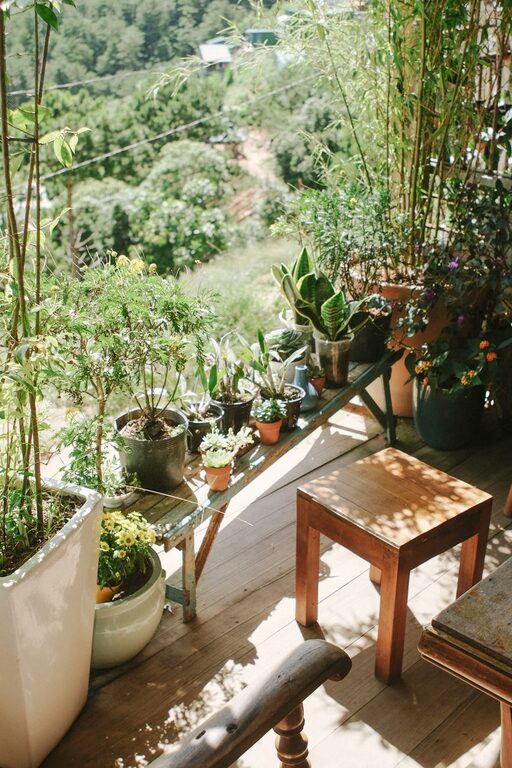
Creating a relaxing garden space at home is a wonderful way to enjoy some peace and tranquillity right outside your door. Whether you have a large garden or a small balcony, a well-planned outdoor area can become your personal sanctuary. Here are some practical tips to help you design a calming garden space that invites relaxation and connection with nature.
Choose the Right Location
Start by selecting a spot in your garden that feels peaceful and gets the right balance of sunlight and shade. Consider areas away from busy roads or noisy neighbours if possible. A corner with natural shelter, such as trees or walls, can provide a sense of seclusion and quiet.
Incorporate Comfortable Seating
Having a comfortable place to sit is key to enjoying your garden. Choose seating that suits your space and style, such as:
– A cosy bench with cushions
– A hammock for gentle swinging
– Folding chairs that can be moved around easily
– Outdoor sofas or lounge chairs for larger spaces
Adding cushions and blankets can make the area even more inviting, especially during cooler evenings.
Use Soothing Colours and Natural Materials
Opt for garden furniture and decorations in calming colours like soft greens, blues, and neutrals. Natural materials such as wood, rattan, and stone help blend your garden with its natural surroundings and create a warm, earthy feel.
Plant for Calmness and Sensory Appeal
Plants play a vital role in setting a relaxing atmosphere. Choose a mix of plants that appeal to your senses:
– Visual: Soft, flowing plants such as lavender, ferns, and grasses add gentle movement. Consider flowers in pastel shades like pale pink, lilac, or white.
– Scent: Aromatic herbs like rosemary, mint, and chamomile release soothing fragrances.
– Touch: Plants with different textures such as soft moss or smooth leaves offer tactile interest.
– Sound: Bamboo or tall grasses create a pleasant rustling sound with the breeze.
Group plants thoughtfully to create layers and depth. Raised beds or containers work well for small gardens.
Include Water Features
Water has a naturally calming effect. A small fountain, bird bath, or pond adds a gentle sound and attracts wildlife, enhancing your garden’s peaceful vibe. Even a simple bowl with floating candles or flower petals can bring a sense of serenity.
Create Shade and Shelter
Spending time in the garden is more enjoyable when you can escape harsh sunlight or wind. Consider adding:
– A pergola or gazebo
– Large patio umbrellas
– Shade sails
– Trees with broad leaves
These features not only provide comfort but also add structure and charm to the space.
Use Lighting to Set the Mood
Extend your garden enjoyment into the evening with soft lighting. Solar-powered or LED fairy lights, lanterns, and candles create a warm and inviting atmosphere. Avoid harsh lights; instead, focus on subtle illumination that highlights pathways, plants, or seating areas.
Add Personal Touches
Incorporate items that reflect your personality and bring you joy. This could be:
– Handmade pottery or sculptures
– Wind chimes that produce gentle sounds
– Outdoor rugs to define seating areas
– A favourite book or journal for quiet moments
Personal touches make the space feel truly yours and encourage you to spend more time outside.
Keep It Tidy and Clutter-Free
A relaxing garden should feel calm and organised. Regularly tidy up fallen leaves, prune plants, and remove weeds. Use storage solutions like decorative boxes or sheds to keep gardening tools and extras out of sight.
Consider Wildlife-Friendly Options
Encouraging birds, bees, and butterflies not only supports nature but adds life and colour to your garden. Plant native flowers and provide feeders or nesting boxes to attract local wildlife.
Maintain a Sense of Privacy
For a true retreat, privacy is important. Use hedging, lattice panels with climbing plants, or tall shrubs to create natural screens. Even freestanding screens or trellises with vines can serve as effective and attractive partitions.
Final Thoughts
Transforming your garden into a relaxing space doesn’t require a large budget or expert skills. By focusing on comfort, sensory pleasure, and a connection to nature, you can create a peaceful garden retreat that invites you to unwind after a busy day. Start small, add elements gradually, and enjoy the process of making your garden a calming haven.
Remember, the best relaxation space is one that feels personal and peaceful to you. Happy gardening!