
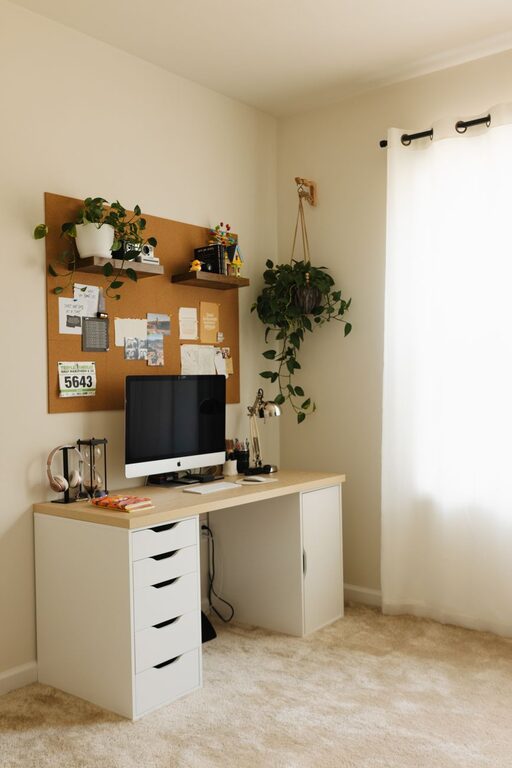
Creating a home workspace that is both relaxing and productive can transform the way you work and feel throughout the day. Whether you are freelancing, studying, or working remotely, the right environment supports focus while reducing stress. Here are some practical tips to help you design a space that enhances your work experience.
Choose the Right Location
The first step in setting up a home workspace is selecting a suitable spot. Ideally, this should be a quiet area with minimal distractions where you can comfortably focus.
– Natural Light: If possible, place your desk near a window. Natural light boosts mood and energy levels.
– Away from High-Traffic Areas: Choose a space that is away from noise or frequent interruptions.
– Dedicated Area: Even a small nook designed solely for work helps set boundaries between work and home life.
Invest in Comfortable Furniture
Comfort plays a huge role in both relaxation and productivity. Sitting for hours in a poorly designed chair can cause discomfort and reduce your ability to concentrate.
– Ergonomic Chair: Select a chair that supports good posture with adjustable height and backrest.
– Functional Desk: Ensure your desk is at the right height and has enough surface area for your computer, notebooks, and other essentials.
– Foot Support: If your feet don’t reach the floor comfortably, add a footrest to prevent strain.
Organise Efficiently
An organised workspace helps clear your mind and minimise stress. Use storage solutions and keep only what you need to maintain a tidy area.
– Declutter Regularly: Keep your desk free from unnecessary items.
– Use Organisers: Drawers, shelves, and desk organisers help keep stationery and documents in order.
– Cable Management: Use clips, ties, or boxes to manage cords and avoid a tangled mess.
Personalise Your Space
Adding personal touches can make your workspace feel inviting and less clinical.
– Plants: Indoor plants improve air quality and create a calm atmosphere.
– Artwork or Photos: Choose images that inspire or relax you.
– Soft Textiles: A cosy cushion or throw can add comfort without clutter.
Control Lighting
Lighting impacts eye strain and mood, so it’s important to have good control over the light in your workspace.
– Layered Lighting: Combine ambient (general), task (focused), and accent lighting.
– Adjustable Lamps: A desk lamp with adjustable brightness and direction is ideal.
– Avoid Glare: Position screens and lights to reduce reflections and glare.
Minimise Noise Distractions
Noise can disrupt concentration, so finding ways to manage it is key.
– Use Headphones: Noise-cancelling headphones help block out background noise.
– Soft Furnishings: Curtains, rugs, and cushions absorb sound and reduce echo.
– White Noise or Music: Some people find low-volume ambient sounds or music helpful in maintaining focus.
Maintain Good Air Quality
Fresh air helps you stay alert and improves overall wellbeing.
– Ventilate Regularly: Open windows when possible to circulate fresh air.
– Air Purifiers: Consider a small air purifier if outdoor air quality is poor.
– Avoid Clutter That Collects Dust: Regularly clean your workspace to reduce dust buildup.
Set Boundaries and Routine
Having a dedicated workspace helps define your work hours and maintain a routine, which benefits both productivity and relaxation.
– Define Work Hours: Set clear start and finish times to separate work from personal life.
– Take Breaks: Regular short breaks improve concentration and reduce fatigue.
– Use Signals: A workspace door sign or a ritual like tidying your desk at the end of the day can reinforce boundaries.
Utilise Technology Wisely
Technology can either support your work or become a distraction if not managed well.
– Efficient Tools: Use software and apps that streamline tasks and communication.
– Limit Notifications: Turn off non-essential alerts during focused work periods.
– Keyboard and Mouse: Invest in high-quality accessories that prevent strain and improve comfort.
—
In conclusion, creating a relaxing and productive home workspace is about balancing comfort, organisation, and personalisation. By carefully choosing your location, furniture, lighting, and incorporating elements that reduce distractions, you can build an environment that supports your best work. Remember, your workspace is a reflection of your needs and preferences, so make adjustments until it feels just right.