
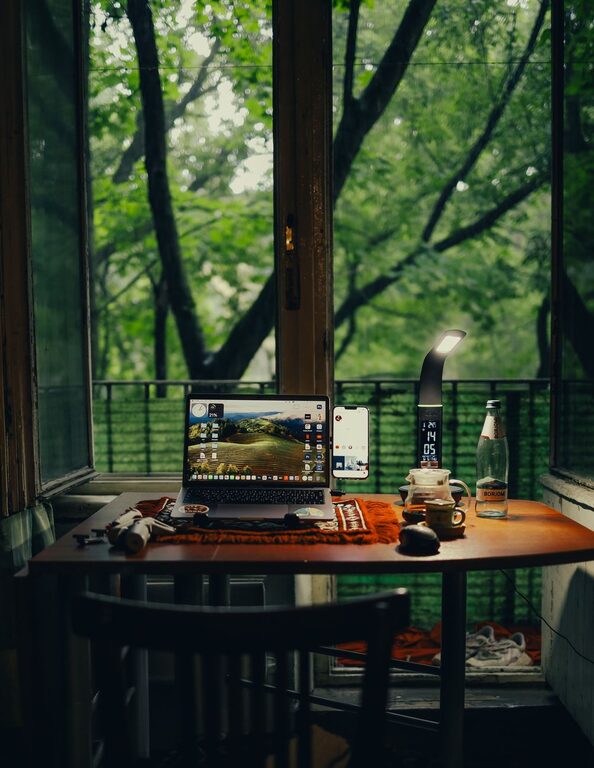
Creating a relaxing home workspace is essential for maintaining productivity and well-being, especially when many of us spend significant time working from home. A calm, organised environment can reduce stress and help you focus on tasks more effectively. In this post, we’ll explore practical tips to design a workspace that promotes relaxation and efficiency.
Why a Relaxing Home Workspace Matters
A peaceful workspace isn’t just about aesthetics—it influences your mood, energy levels, and overall work performance. When your workspace feels comfortable and uncluttered, distractions lessen, and you can concentrate better. Plus, a pleasant environment can encourage creativity and motivate you throughout the day.
Choosing the Right Location
Find a Quiet Spot
Select a part of your home where noise and interruptions are minimal. If space allows, a separate room is ideal. Otherwise, a quiet corner away from the household bustle can work well.
Natural Light is Key
Try to set up near a window where natural daylight can illuminate your area. Natural light boosts mood and reduces eye strain, making your workday more enjoyable.
Ergonomics and Comfort
Invest in a Good Chair
Choose an ergonomic chair that supports your posture. Comfortable seating helps prevent back pain and discomfort, allowing longer focus periods without fatigue.
Desk Height and Size
Ensure your desk is at the right height to keep your arms and wrists in a neutral position when using a keyboard or mouse. Also, opt for a desk large enough to accommodate your essentials without feeling cramped.
Declutter and Organise
Minimalism Works Wonders
Keep only necessary items on your desk to prevent clutter. A tidy workspace reduces anxiety and helps you stay organised.
Use Storage Solutions
Incorporate shelves, drawers, or storage boxes to store documents and supplies. Labelled containers can make finding items easier, so you can work more efficiently.
Personalise Your Space
Add Calming Colours
Choose paint or decor in soft, neutral colours such as pale blues, greens, or creams. These shades create a soothing atmosphere conducive to relaxation.
Introduce Plants
Indoor plants not only improve air quality but also provide a sense of calm and natural beauty. Small potted plants or succulents require little maintenance yet brighten the space.
Personal Touches
Display a few meaningful items like family photos, inspirational quotes, or artwork. These help make the space feel inviting without overwhelming it.
Manage Lighting
Use Adjustable Lighting
Apart from natural light, include adjustable lamps or desk lights. Being able to control brightness helps reduce eye strain and allows you to tailor lighting according to the time of day.
Avoid Harsh Fluorescents
Soft, warm lighting is better for maintaining a relaxed mood compared with harsh fluorescent bulbs that can cause headaches or discomfort.
Minimise Distractions
Set Boundaries
If possible, communicate your work hours to household members to reduce interruptions. Use signs or signals to indicate when you shouldn’t be disturbed.
Noise Control
Consider using noise-cancelling headphones or a white noise machine if external sounds disrupt your focus.
Incorporate Relaxation Breaks
Designate a Break Area
If room allows, create a separate spot for short breaks—a comfortable chair or a corner with cushions. Taking regular breaks away from your desk helps refresh your mind.
Practice Mindful Techniques
Use your workspace as an opportunity to include simple relaxation exercises such as deep breathing or stretching before returning to work.
Keep Technology Organised
Manage Cables
Untidy cables not only look messy but can be distracting. Use clips, ties, or cable boxes to keep wires organised and out of sight.
Digital Organisation
Maintain clean desktop files and folders on your computer to reduce digital clutter, which also contributes to a clearer mind.
—
By carefully considering your workspace’s layout, organisation, lighting, and personal touches, you can create a home office that supports relaxation and productivity. Making these small changes can significantly improve your work experience and overall wellbeing. Remember, a comfortable and calm workspace is an investment in your focus and happiness during the workday.